







Choosing between a coworking space and a traditional office is one of the most important decisions a startup makes in its early growth phase. The right choice can support scalability, control costs, and improve team productivity, while the wrong one can limit flexibility and slow growth.
A traditional space office for rent typically requires long-term leases, upfront deposits, and ongoing expenses such as utilities, furniture, and maintenance. For startups still testing their business model, this fixed structure can be risky. Long commitments reduce agility and make it harder to adapt when team size or operational needs change.
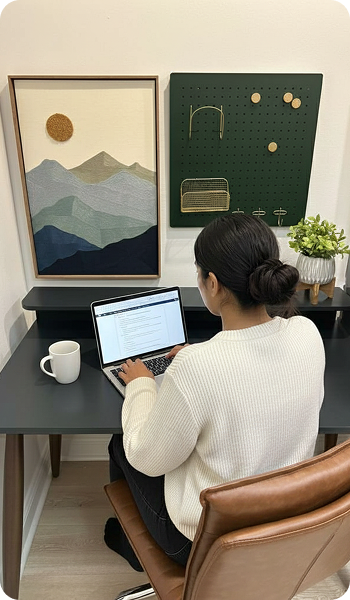
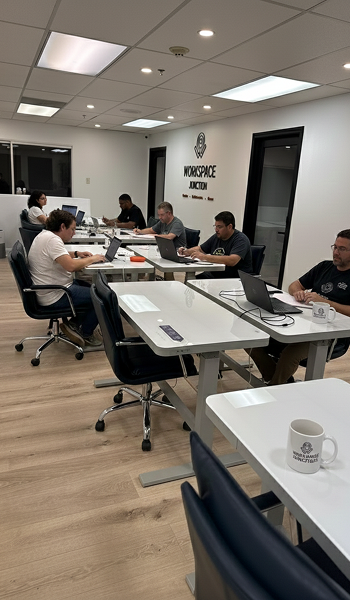
In contrast, a coworking space offers flexibility that startups need. Instead of committing to a full spaces office rental, startups can choose options such as a dedicated desk or coworking dedicated desk, scaling up gradually as the team grows. This pay-as-you-grow model allows founders to manage cash flow more effectively while maintaining a professional work environment.
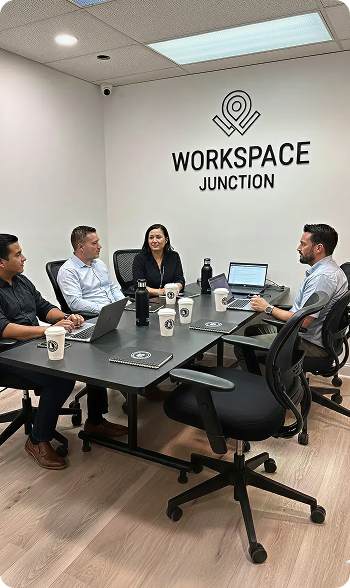
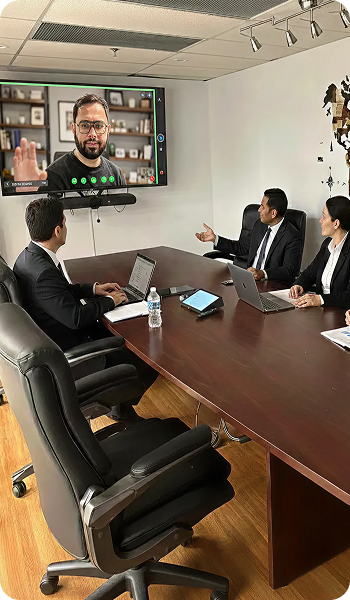
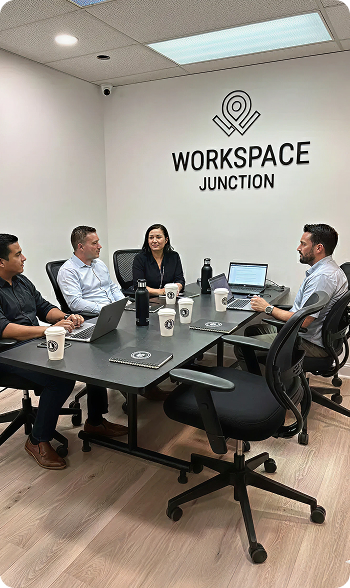
Coworking spaces also provide shared amenities that traditional offices often lack without additional cost. Startups gain access to meeting rooms for rent and conference room rental spaces for client meetings, presentations, and internal planning. These facilities can be booked only when needed, eliminating the expense of maintaining underutilized rooms.
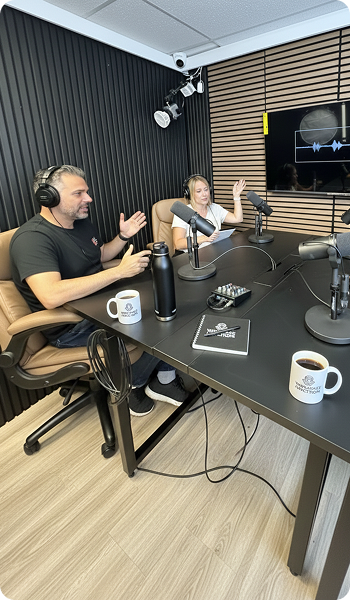
Modern startups increasingly rely on content marketing and brand visibility. Many coworking locations now include a podcast studio or podcast studio rental, allowing startups to create professional podcasts, interviews, and marketing content without investing in equipment. This level of infrastructure is rarely available in a traditional office setup without significant additional investment.
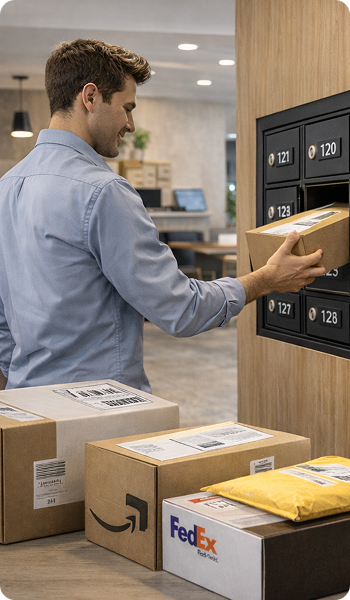
For remote or hybrid teams, coworking solutions also support virtual operations. A virtual address for business gives startups credibility, while a secure Mail Box ensures professional mail handling. This combination allows startups to operate flexibly without the limitations of a permanent office.
Ultimately, the best coworking spaces are designed to support startup growth. They combine flexibility, professional amenities, and scalability—making them a smarter choice than traditional office rentals for most early and growth-stage startups. By choosing coworking, startups can focus on innovation and team building while staying adaptable in a competitive market.
To explore flexible coworking and office solutions, visit https://workspacejunction.com/ or contact grow@workspacejunction.com | +1 (773) 986-1908.